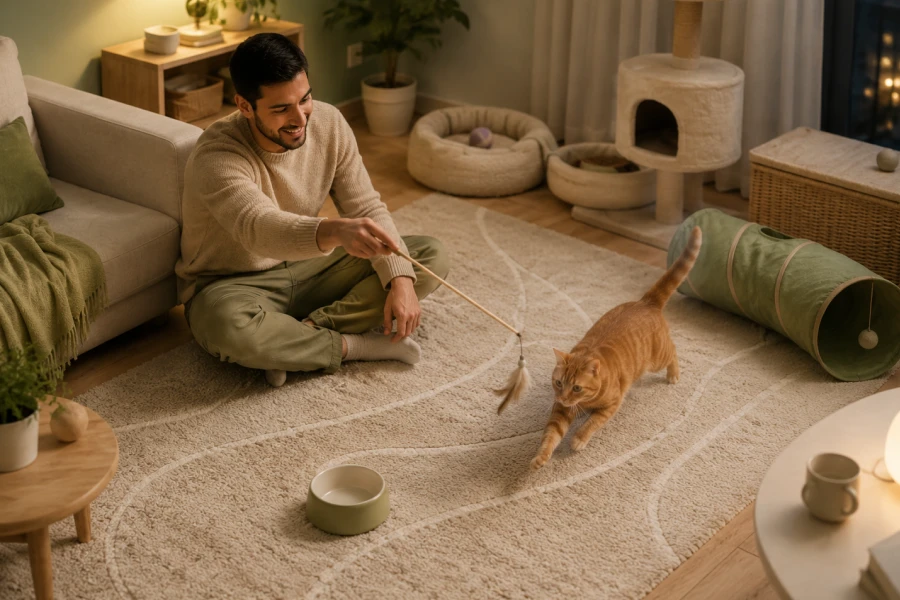
Cat play for exercise works beautifully when it follows the rhythm of a normal evening. Many indoor cats become restless after dinner because their bodies still want action. Owners often notice pacing, meowing, scratching, or sudden bursts across the room. These are not random habits. They are signals that the cat needs an outlet. Evening play can turn that energy into healthy movement. A few intentional minutes with a wand toy, tunnel, or soft ball can change the mood of the whole home. A practical cat exercise routine helps cats settle better and feel more satisfied.
Evening is a natural activity window for many cats. Their instincts often rise when the house begins to slow down. Humans may feel ready for rest. Cats may feel ready for movement. This mismatch can create frustration on both sides. A planned play session bridges that gap. It gives the cat a clear outlet before bedtime. It also helps owners avoid reacting only when behavior becomes annoying. The session does not need to be long. It only needs to feel purposeful. When evenings include movement, the cat learns a calmer pattern that benefits everyone.
Good play begins with observation. A cat that watches from a distance may need a slower start. A cat crouched near furniture may already be hunting. Ears, tail, eyes, and body posture offer helpful clues. Owners should avoid waving toys directly in the cat’s face. That can feel confusing or irritating. Instead, move the toy like prey. Let it disappear behind furniture. Pause it near corners. Make the cat choose the chase. A thoughtful interactive cat play style keeps the session engaging and respectful.
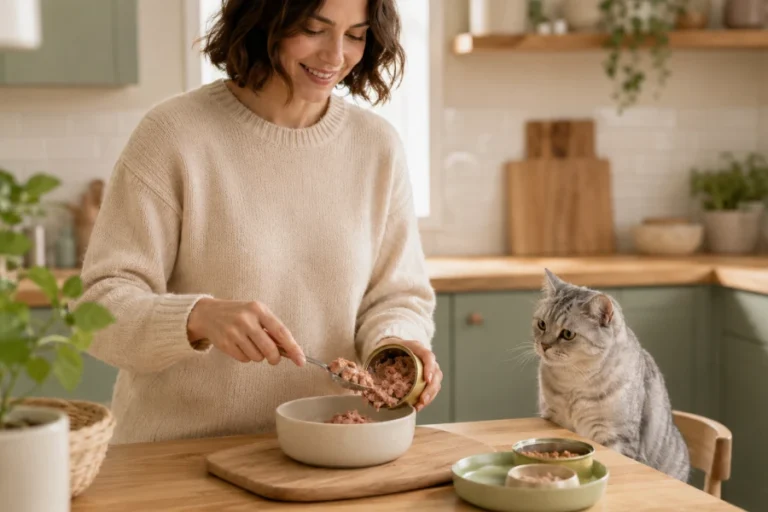
Night restlessness often appears when a cat has not spent enough energy. The body still wants to stalk, chase, and pounce. If no toy offers that outlet, the cat may invent one. Curtains, feet, furniture, and sleeping people can become targets. A strong evening session changes that pattern. It gives the cat a satisfying hunting cycle before rest. The final catch is important. Let the cat grab the toy or pounce successfully. This creates closure. After that, a small meal or treat can complete the rhythm. Many cats relax more easily after this sequence.
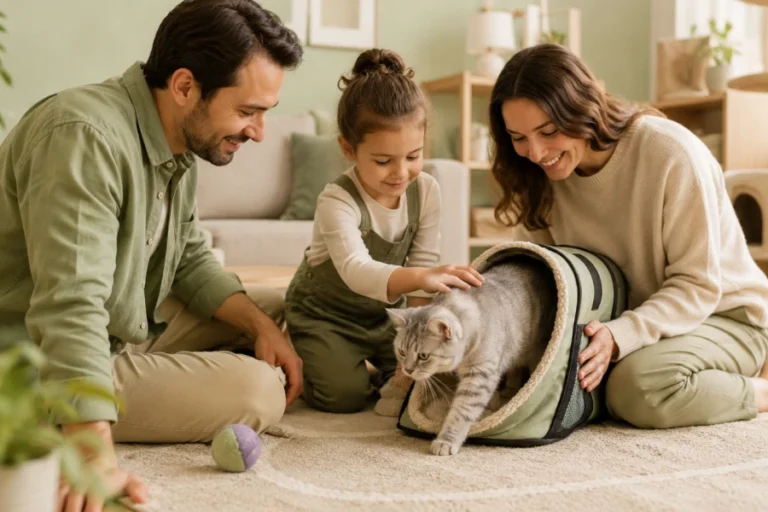
Not every toy produces exercise. Some toys encourage only batting while lying down. Others inspire full-body movement. Wand toys, tunnels, rolling balls, and chase paths usually work well. Puzzle feeders can support slower mental activity after the active session ends. Owners should rotate toys instead of leaving everything out. Familiar toys become exciting again when they disappear for a few days. A reliable cat enrichment system uses variety without clutter. The best setup keeps the cat guessing while still feeling safe and familiar.
Multi-cat homes need careful play planning. One bold cat may dominate every session. A quieter cat may watch but never join. Separate play can solve this problem. Use doors, rooms, or different times when needed. Each cat should have a chance to chase and catch. Owners can also match toys to personalities. One cat may love jumping. Another may prefer ground-level stalking. This prevents competition from replacing exercise. It also reduces tension between cats. Fair play helps each animal feel seen. When every cat gets the right type of movement, the household feels more balanced.
The easiest routine is the one that fits real life. Keep one toy near the living room. Place another near the bedroom. Choose a predictable time after dinner. Start with five minutes. Add more only when the cat stays interested. Avoid making the routine feel like a chore. Play should feel like connection. Owners can track what works by noticing sleep, mood, appetite, and behavior. Small improvements matter. A calmer night is progress. A stronger jump is progress. A cat that asks for play instead of mischief is also progress. Evening movement can become one of the best parts of the day.


Leave a comment