
Indoor cat exercise becomes much easier when play feels like a natural part of the home. Many cats do not need huge spaces to stay active. They need movement, variety, and moments that match their instincts. A hallway can become a chase lane. A sofa edge can become a lookout point. A rug can become a hunting zone. The key is making activity feel exciting instead of forced. Owners can create better routines with a simple cat activity checklist that turns small moments into real exercise. This helps indoor cats burn energy, reduce boredom, and feel more confident every day.
Cats are built for short bursts of movement. They stalk, pounce, sprint, pause, and repeat. Indoor homes sometimes remove those natural chances. That can lead to restlessness, night zoomies, or attention-seeking behavior. A small apartment can still support strong activity habits. Owners only need to think in zones. One corner can hold a scratching post. Another can support climbing or jumping. A doorway can become a wand-toy route. This style of planning makes movement easy to repeat. It also helps cats feel that their home has choices, not limits.
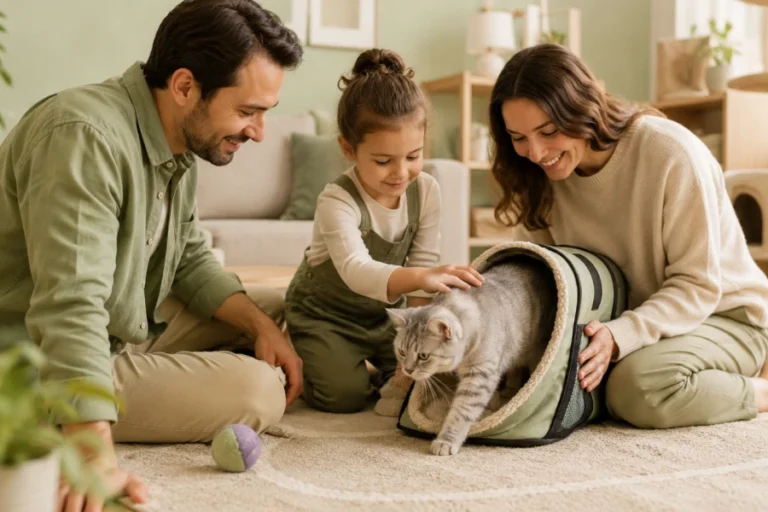
A play zone does not need to look complicated. It only needs to invite curiosity. Try placing toys near furniture that encourages safe jumping. Rotate balls, tunnels, and soft mice so they feel fresh. Keep one interactive toy hidden for special sessions. Cats often respond better when toys appear with intention. A simple indoor cat toys setup can make the same room feel new. Texture also matters. Rugs, cardboard boxes, paper tunnels, and soft blankets create different play surfaces. These small changes help activity feel playful rather than repetitive.
Movement gives cats a healthy outlet for energy. Without it, they may scratch furniture, wake people at night, or chase ankles. These behaviors often come from unused hunting instincts. A structured play rhythm can reduce that frustration. Short sessions before meals work especially well. The cat gets to hunt, catch, and then eat. This sequence feels natural to the animal. It also teaches the household when active time happens. Over time, cats often become calmer after they receive predictable stimulation. Better behavior begins with giving the body something useful to do.
Most cats prefer brief, intense play over long exercise. Five to ten minutes can be enough when the session feels engaging. Early morning and evening often work best. These are common peak energy times. Owners can watch for signs like tail flicks, wide eyes, or sudden running. Those moments are invitations. Use them before the cat becomes disruptive. Stop before the cat gets bored or overstimulated. Ending on a successful catch keeps confidence high. This approach makes play feel satisfying, not exhausting. It also fits busy schedules without making care feel overwhelming.
The best toy is not always the most expensive one. It is the toy your cat actually wants to chase. Some cats love feathers. Others prefer crinkle balls, ribbons, or rolling treats. Watch how your cat moves. A jumper needs vertical play. A stalker needs hiding and chasing. A sprinter needs open floor paths. This observation turns ordinary play into a smart feline enrichment plan. Owners should also change speed and direction. Prey rarely moves in straight lines. Better movement makes the game more believable.
Consistency matters more than perfection. A cat benefits from repeated activity that feels familiar and fun. Start with one daily session. Add a second when the routine feels easy. Keep toys nearby so play does not require preparation. Celebrate small wins, such as longer chases or more confident jumps. Avoid forcing a cat that walks away. Interest can return later. The goal is a lifestyle, not a strict workout. When play becomes part of feeding, bonding, and home rhythm, cats stay more active without stress. A lively indoor life can feel rich, safe, and deeply satisfying.


Leave a comment