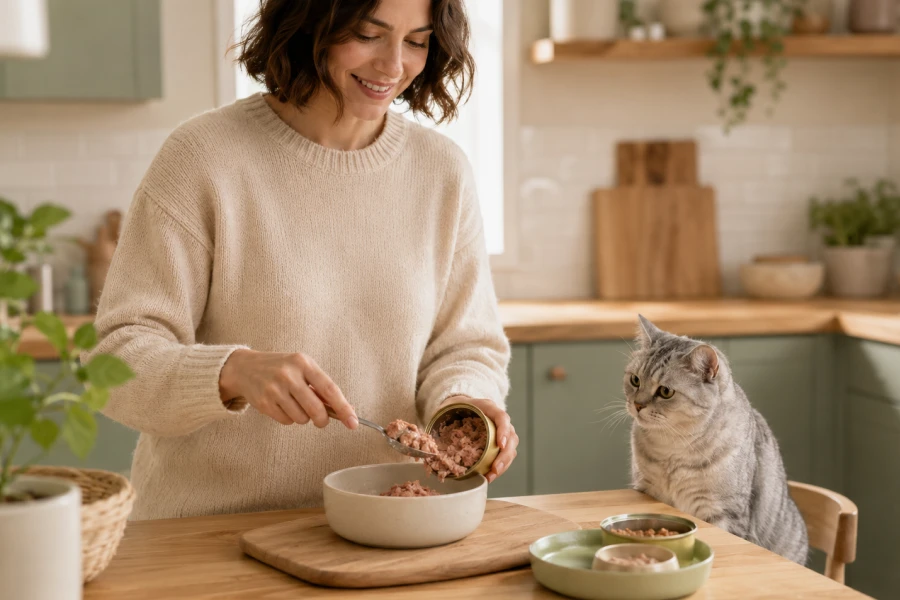
High protein cat diet decisions can shape how a cat eats, moves, and feels each day. Cats are obligate carnivores, so protein plays a central role in their natural nutrition. Owners often notice energy, coat quality, muscle tone, and appetite patterns when food quality improves. Still, feeding choices should feel informed, not rushed. Every cat has a different age, activity level, weight, and health background. A thoughtful feline nutrition roadmap can help owners organize questions before changing meals. The goal is not chasing trends. It is building a balanced approach that supports the cat’s real needs.
Protein supports many essential functions in cats. It helps maintain muscle, repair tissue, and support normal body processes. However, the full diet still matters. Cats also need fats, moisture, vitamins, minerals, and appropriate calories. A food can sound impressive while still being poorly balanced. Owners should read labels carefully and compare feeding instructions. They should also consider wet food, dry food, or mixed feeding based on the cat’s needs. Veterinary guidance matters especially for seniors or cats with medical conditions. A strong feeding plan begins with context, not assumptions. This keeps nutrition practical and safer.
Not all protein sources work the same way. Animal-based proteins usually align better with feline biology. Chicken, turkey, beef, fish, and other meats may appear in commercial cat foods. Owners should look beyond marketing words and examine ingredient lists. The first ingredients often reveal the food’s foundation. Texture and moisture also influence acceptance. Some cats prefer pâté. Others prefer shredded or minced textures. A useful high protein cat food planner helps owners compare options without getting overwhelmed. Quality is about the whole formula, not one bold claim on the package.
Muscle maintenance becomes especially important as cats age. Indoor cats may also lose tone when activity is low. Protein gives the body materials it needs to maintain strength. That does not mean every cat should eat the highest possible protein level. Needs vary by age, health, and lifestyle. A kitten, adult cat, and senior cat may require different approaches. Owners should also watch calories, because weight gain can stress joints and organs. Food should support healthy condition, not just fullness. When paired with play, better nutrition can help cats stay agile, alert, and comfortable.
Food changes should usually happen gradually. Sudden switches can lead to vomiting, diarrhea, or refusal. A slow transition gives the digestive system time to adjust. Owners can mix small amounts of the new food with the current food. Then they can increase the new portion over several days. Sensitive cats may need a longer timeline. Water intake also deserves attention, especially when changing textures. A helpful cat feeding checklist can track appetite, stool, energy, and mood. These details show whether the change is working well.
One common mistake is assuming more always means better. Another is changing food based only on social media advice. Cats with kidney disease, urinary concerns, allergies, or digestive issues may need tailored recommendations. Owners should avoid homemade diets unless they are professionally formulated. Missing nutrients can create serious problems over time. Treats also deserve caution. Too many extras can unbalance the diet. Portion sizes should match the cat’s body condition and activity. Reading labels helps, but professional input can prevent avoidable mistakes. Nutrition should feel empowering, not confusing. Better decisions come from steady observation and trusted guidance.
Food works best when paired with activity and hydration. A cat eating well still needs play, rest, and environmental enrichment. Mealtime can become part of a healthier rhythm. Puzzle feeders, scheduled feeding, and wet food options can add structure. Owners should monitor weight and body condition regularly. Small changes are easier to correct early. A balanced routine can support energy without creating stress around feeding. The best plan respects the cat as an individual. It also respects the owner’s daily life. With thoughtful choices, nutrition becomes a calmer, clearer part of everyday care.




Leave a comment