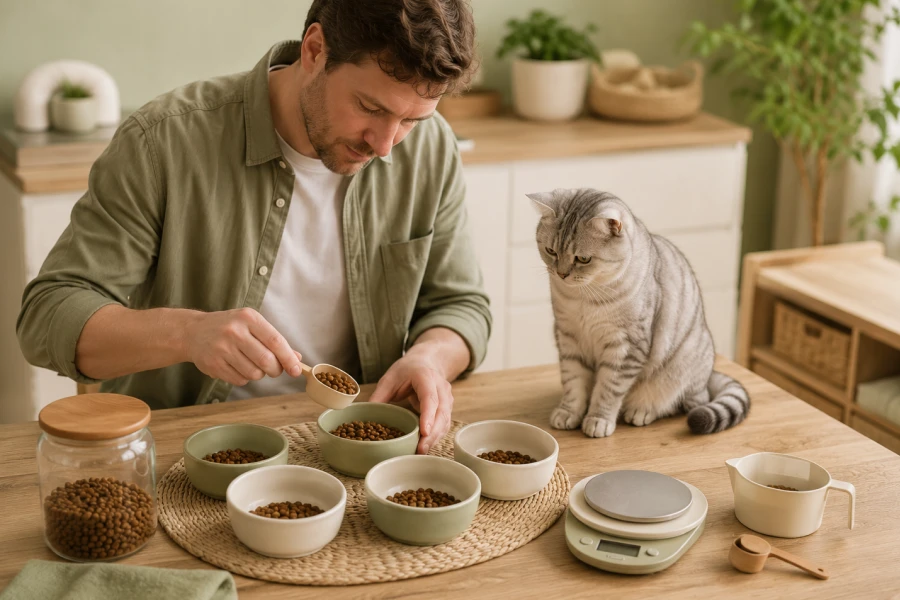
Feline nutrition plan thinking helps owners move beyond random food choices. A cat’s meals influence energy, coat health, digestion, weight, and long-term comfort. Many owners want to improve feeding but feel overwhelmed by labels and opinions. One bag promises premium protein. Another highlights grain-free ingredients. A third focuses on life stage or special needs. A structured cat nutrition planner makes those choices easier to compare. It encourages owners to look at the whole cat, not only the food bowl. Better feeding begins with clear goals, careful observation, and realistic routines.
Every cat brings a different nutritional picture. Age matters. Weight matters. Activity level matters. Medical history matters even more. A young active cat may need different support than a sleepy senior. A cat with urinary concerns may need specific moisture and mineral considerations. Owners should gather basic information before making changes. Current food, portion size, appetite, stool quality, coat condition, and energy all offer clues. Veterinary advice can connect those clues to safer decisions. This foundation prevents guesswork. It also helps owners avoid switching foods too often, which can make digestion and appetite harder to track.
Cat food labels can feel persuasive. Beautiful packaging does not always equal better nutrition. Owners should review ingredients, guaranteed analysis, calorie content, and feeding instructions. Protein numbers matter, but they are not the only detail. Moisture changes how nutrients compare across wet and dry foods. Calories reveal whether portions may need adjustment. Ingredient order can show which protein sources lead the formula. A practical feline feeding system helps owners compare foods with less confusion. When labels become easier to read, marketing loses some of its power.
Food affects how a cat moves through the day. A balanced diet can support steady energy instead of sharp hunger swings. Protein, fat, moisture, and calories all contribute to that pattern. Owners may notice better play interest when feeding matches the cat’s needs. They may also see a healthier coat or more predictable appetite. These changes can take time. A careful plan avoids expecting overnight transformation. Tracking daily patterns helps owners see what is improving. It also reveals when something feels off. Energy is not only about excitement. It is about comfort, strength, and a stable routine.
Moisture is an important part of cat feeding. Many cats do not drink enough water from a bowl alone. Wet food can support hydration, depending on the cat’s broader needs. Some owners use mixed feeding to balance convenience and moisture. Others prefer scheduled wet meals with measured dry portions. The best choice depends on the cat and household. A useful cat meal planning resource can make portions, timing, and textures easier to organize. Satisfaction matters too. A cat that feels nourished is less likely to beg constantly.
Healthy weight management is not only about feeding less. It is about feeding appropriately. Cats need enough protein to support lean tissue. They also need calories matched to activity and body condition. Overweight cats should not crash diet. Rapid weight loss can be dangerous. Owners should work with a veterinarian when weight loss is needed. Muscle condition deserves attention, especially in older cats. A cat can look normal but lose strength gradually. Regular body checks help owners notice change. Food, play, and monitoring work together. This makes nutrition part of a larger health picture.
The best plan is one an owner can actually follow. Complicated feeding rules often fail in real homes. Start with consistent portions. Keep feeding times predictable. Track changes in a simple note. Watch appetite, litter box habits, coat, and energy. Avoid switching products too quickly. Give each change enough time to show results unless a problem appears. Practical planning creates confidence. It also reduces panic when a cat becomes picky. Owners learn what normal looks like for their own pet. Over time, feeding becomes less emotional and more informed, which benefits both the cat and the household.




Leave a comment