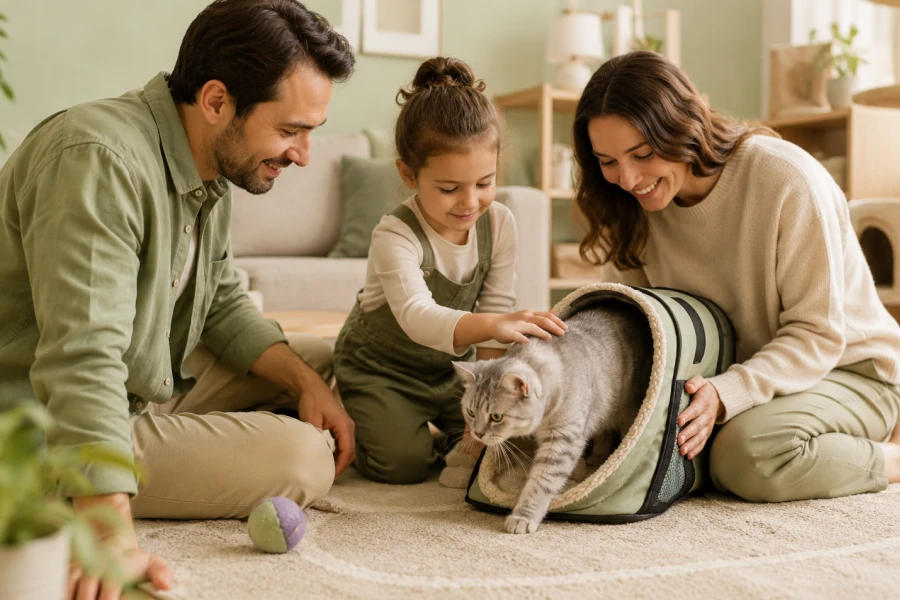
Welcoming pets into family life can feel joyful, emotional, and slightly chaotic all at once. A new pet changes routines, spaces, responsibilities, and relationships. Children may feel excited. Adults may feel protective. Existing pets may feel uncertain. The home needs time to adjust. A thoughtful pet-friendly home routine helps everyone understand what comes next. The goal is not perfection on the first day. It is steady integration that supports trust. When families plan with patience, the pet becomes part of everyday life in a way that feels warm, safe, and sustainable.
Preparation reduces stress for both people and animals. Families should decide where the pet will sleep, eat, rest, and explore. Supplies should be ready before the first day. Rules should also be clear. Who handles feeding. Who manages walks or litter. Who supervises children. These decisions prevent confusion later. A calm arrival space matters especially for shy pets. Too much attention can overwhelm them. Let the pet explore slowly. Keep voices gentle. The first impression should communicate safety. When the home feels organized, the pet can begin building confidence from the start.
Pets settle faster when routines feel predictable. Family members can support that stability through age-appropriate roles. Children may refill water with help. Teens may handle play sessions. Adults may manage feeding, training, and vet care. The exact roles should match ability, not enthusiasm alone. Clear responsibility prevents resentment. It also teaches care as a family value. A practical modern pet family plan can make these expectations easier to follow. Shared care should feel bonding, not chaotic. Everyone benefits when the pet’s needs stay consistent.
A pet often changes the emotional rhythm of a home. Morning greetings feel warmer. Evenings may include walks, play, brushing, or quiet cuddles. These small moments become family rituals. They create connection without needing big events. Children can learn empathy by watching body language. Adults can slow down through daily care. A pet can also reveal household habits that need adjustment. Loud transitions may need softening. Clutter may need better storage. Doors may need safer routines. These changes are not inconveniences. They are part of making the home more thoughtful and responsive.
Love alone does not create security. Pets also need boundaries. They need safe spaces, predictable rules, and respectful handling. Children should learn when not to touch, chase, or wake a pet. Adults should model calm interactions. Visitors may need guidance too. A pet that can retreat is more likely to relax. Baby gates, crates, cat trees, or quiet rooms can help. A useful pet integration resource can help families plan boundaries kindly. Structure should protect the pet, not isolate it.
Existing pets need special consideration. They may not understand why the household suddenly smells different. Introductions should move slowly. Separate spaces can prevent pressure. Scent swapping may help before direct contact. Short supervised meetings work better than forced closeness. Owners should watch body language carefully. Stiff posture, hiding, growling, swatting, or intense staring can signal discomfort. Progress may take days or weeks. That timeline is normal. Existing pets should still receive attention, play, and reassurance. A new bond forms best when no animal feels replaced. Patience protects the long-term relationship.
Integration does not end after the first week. Families keep learning the pet’s preferences, fears, and favorite routines. The home may need small adjustments as the pet grows more confident. Feeding times may shift. Play needs may increase. Sleeping spots may change. What matters is staying observant. A successful family pet life is built through repeated kindness. It also depends on clear expectations and flexible problem-solving. When everyone participates with care, the pet becomes woven into ordinary days. That is where the real magic happens. The family rhythm expands, rather than breaks.


Leave a comment