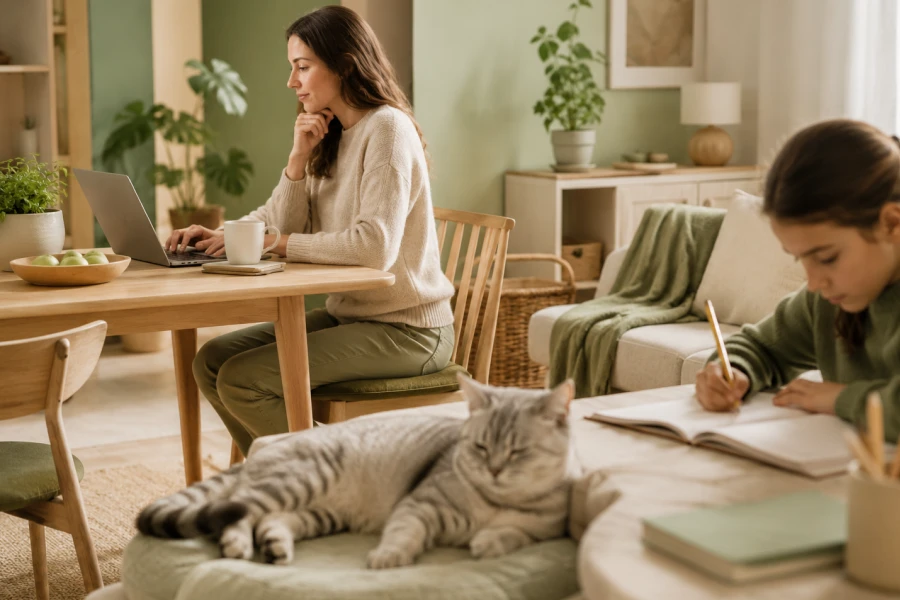
Integrating pets into daily life requires more than love when the household is full, loud, and constantly moving. Pets need space, attention, structure, and patience. Families need routines that do not collapse during busy weeks. The challenge is finding balance. A pet should feel included without becoming overstimulated. People should feel connected without feeling overwhelmed. A supportive pet-friendly lifestyle resource can help families design daily habits around real life. The result is a home where care feels natural. Pets become part of the rhythm, not another source of pressure.
Small rituals create belonging. A morning greeting, a short walk, a brushing session, or a quiet evening cuddle can matter deeply. These moments tell the pet what to expect. They also give family members a simple way to connect. Rituals should be realistic. A ten-minute play session is often better than an ambitious plan that rarely happens. Families can attach pet care to existing habits. Feed the pet after breakfast. Walk the dog after school pickup. Play with the cat before dinner. Repetition turns care into rhythm. That rhythm helps the pet feel secure.
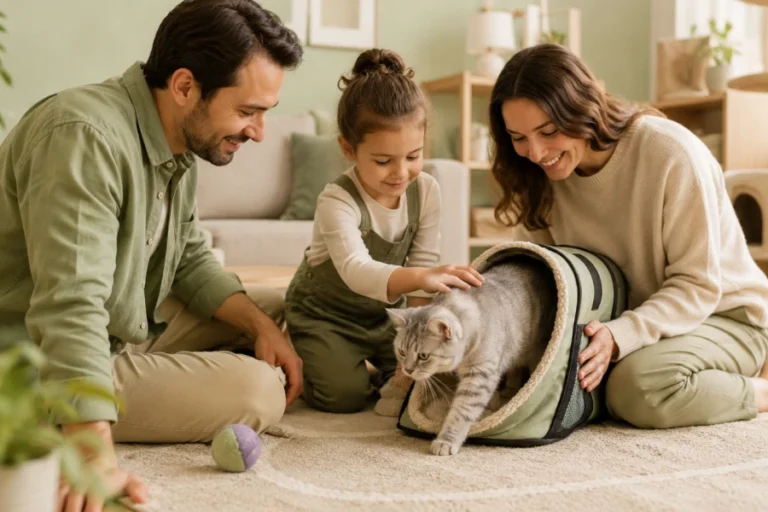
Pets often want to be near family activity, but they also need escape options. A bed in the living room can support inclusion. A crate, perch, or quiet corner can offer retreat. Cats may prefer vertical spaces. Dogs may prefer soft beds away from foot traffic. Families should keep food, toys, and rest areas organized. This prevents clutter and reduces conflict. A smart pet home integration plan respects both connection and boundaries. Pets feel safer when they can choose closeness or distance.
Pets can improve family habits in subtle ways. Dogs encourage walks and outdoor breaks. Cats invite slower moments of play and observation. Feeding schedules create responsibility. Grooming teaches patience. Training rewards consistency. These habits can become part of a healthier household culture. Children learn that care happens daily, not only when it feels exciting. Adults may find comfort in predictable routines. The pet benefits from stability. The family benefits from shared purpose. Integration works best when care becomes ordinary in the nicest possible way. It stops feeling like a project and starts feeling like home.
Busy homes can overwhelm animals. Doorbells, visitors, school mornings, and dinner rushes may create stress. Families can plan for these transitions. Give the pet a safe place before guests arrive. Use gates or leashes when needed. Teach children not to crowd the pet during excitement. Keep greetings calm. A helpful modern pet care routine prepares the home before problems begin. This is especially important for nervous pets. Calm handling during transitions builds trust over time. It also protects guests, children, and animals.
Work and school schedules can make pet care feel fragmented. Morning care may be rushed. Afternoons may be unpredictable. Evenings may be crowded with tasks. Families can reduce pressure by preparing supplies in advance. Food portions, leashes, bags, toys, and grooming tools should be easy to find. A shared calendar can help older children and adults coordinate responsibilities. Pets should not depend on one person for every need. Shared structure prevents missed care. It also keeps the pet connected to the whole family. Daily life feels smoother when care is visible and planned.
Some pets need time before they fully join family routines. A shy cat may observe from under furniture. A rescue dog may need quiet repetition. A new pet may bond with one person first. Families should avoid forcing affection. Trust grows through consistent, respectful care. Let the pet approach when ready. Reward calm behavior. Protect rest times. Celebrate small signs of confidence. Integration is not a race. It is a relationship forming through ordinary days. When families give pets both structure and choice, closeness becomes more genuine. That creates a stronger bond for years ahead.



Leave a comment