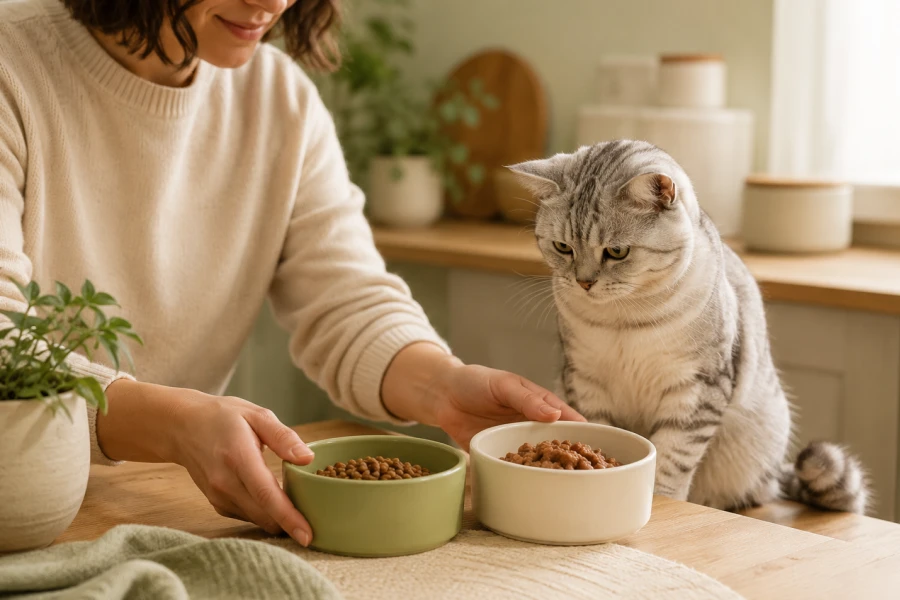
High protein cat food plan decisions can help owners create meals that feel clearer, calmer, and more intentional. Many cat owners know protein matters, but they are less sure how to apply that knowledge. Should they choose wet food, dry food, or both. Should they focus on meat sources, calories, or life stage. The answer depends on the cat. A focused high protein feeding roadmap gives owners a way to sort the details. It also helps prevent impulsive food changes. Better meals come from understanding the cat’s body, behavior, and daily routine.
Nutrition advice can sound simple until it reaches a real kitchen. Cats may reject new textures. Families may need convenient feeding times. Budgets may shape product choices. Storage space may limit bulk buying. A useful plan respects these realities. It should help owners choose food that suits the cat and the household. Consistency is part of success. When feeding becomes too complicated, it often becomes inconsistent. A realistic approach makes healthy choices easier to repeat. It also keeps owners from feeling guilty when perfection is impossible. Sustainable care is usually built from simple habits done well.
Protein is important, but it does not work alone. Calories determine weight outcomes. Moisture can support hydration. Fat contributes energy and taste. Vitamins and minerals complete the formula. Owners should avoid judging food by one number. A food with higher protein may still be too calorie-dense for a less active cat. Another food may look modest but fit the cat beautifully. A helpful cat protein diet planner encourages balanced comparison. That wider view makes feeding decisions more accurate and less stressful.
Picky eating can make nutrition feel difficult. Some cats prefer strong aromas. Others care about texture, temperature, or routine. A gradual approach often works better than sudden replacement. Owners can warm wet food slightly, add small water amounts, or offer texture options. Patience matters. Pressure can create stronger refusal. A cat that feels safe at mealtime may explore new food more readily. Tracking preferences helps reveal patterns. Maybe the cat likes poultry more than fish. Maybe pâté works better than chunks. These details turn picky behavior into useful information instead of daily frustration.
Changing food too quickly can upset the stomach. Slow transitions help the cat adjust. Many owners begin with a small amount of new food mixed into the current meal. Then they increase the portion gradually. The exact pace depends on the cat’s response. Watch stool, appetite, vomiting, and mood. Any concerning reaction deserves attention. Cats with medical conditions may need veterinary supervision before switching. A reliable vet-informed cat feeding approach makes transitions safer. Good nutrition should improve daily life, not create unnecessary discomfort.
Kittens, adults, and seniors do not always need the same feeding strategy. Growth requires special nutritional support. Adult cats need maintenance, energy balance, and healthy body condition. Seniors may need extra attention to muscle, appetite, hydration, and medical concerns. Owners should choose foods labeled for the appropriate life stage or recommended by a professional. A strong plan changes as the cat changes. It does not stay frozen forever. Regular checkups can guide those adjustments. Life stage feeding helps owners respond early. It also prevents old habits from controlling new needs.
Feeding can become emotional when owners feel unsure. A clear plan reduces that stress. It turns vague worry into specific steps. Owners can compare foods, measure portions, track reactions, and ask better questions at vet visits. They can also notice progress more clearly. A shinier coat, steadier appetite, better play energy, or healthier weight can all signal improvement. Not every change is dramatic. Some benefits appear gradually. Confidence grows when owners understand what they are doing and why. With patience and guidance, nutrition becomes a daily act of care rather than a source of confusion.




Leave a comment